
Temporomandibular Dysfunction (TMD)
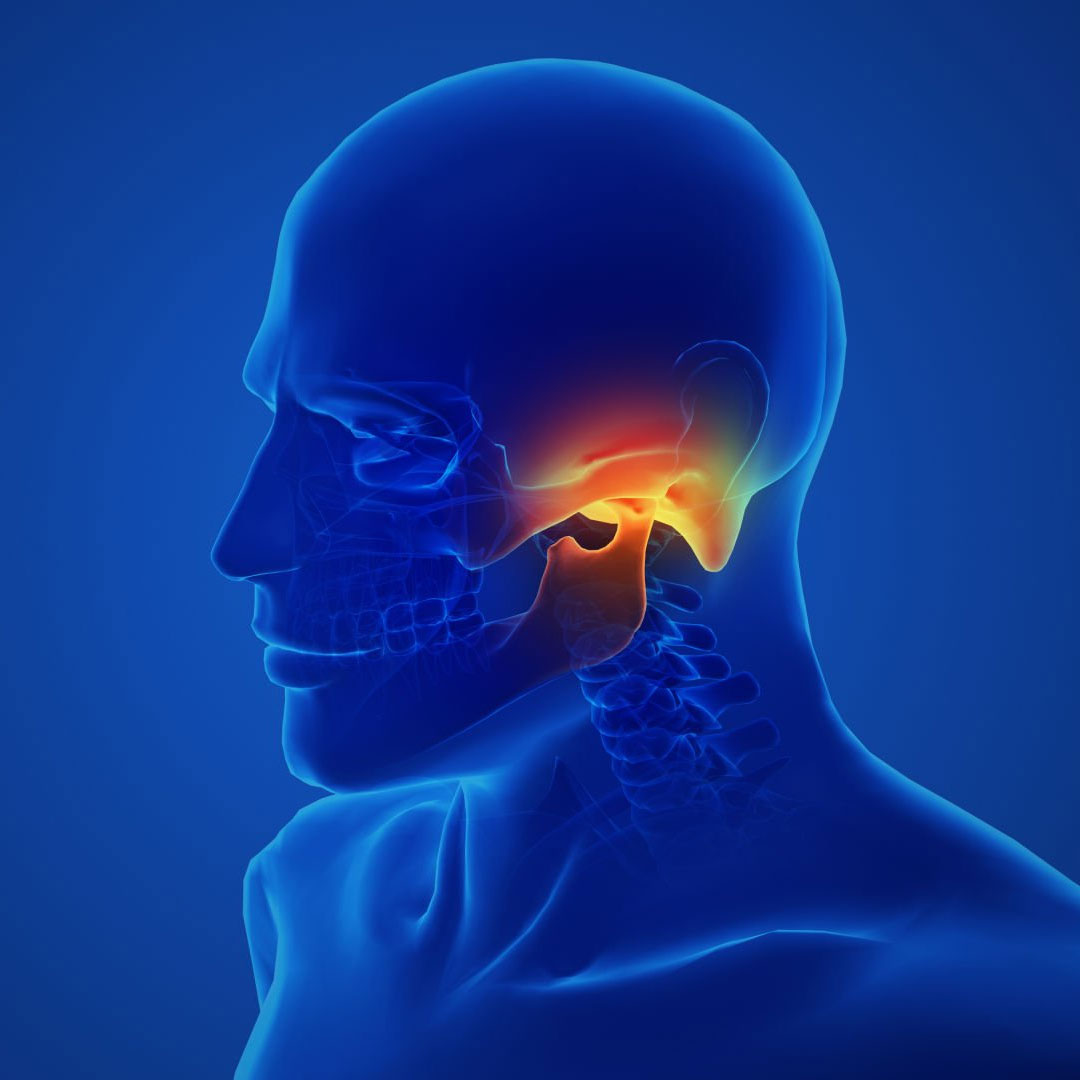
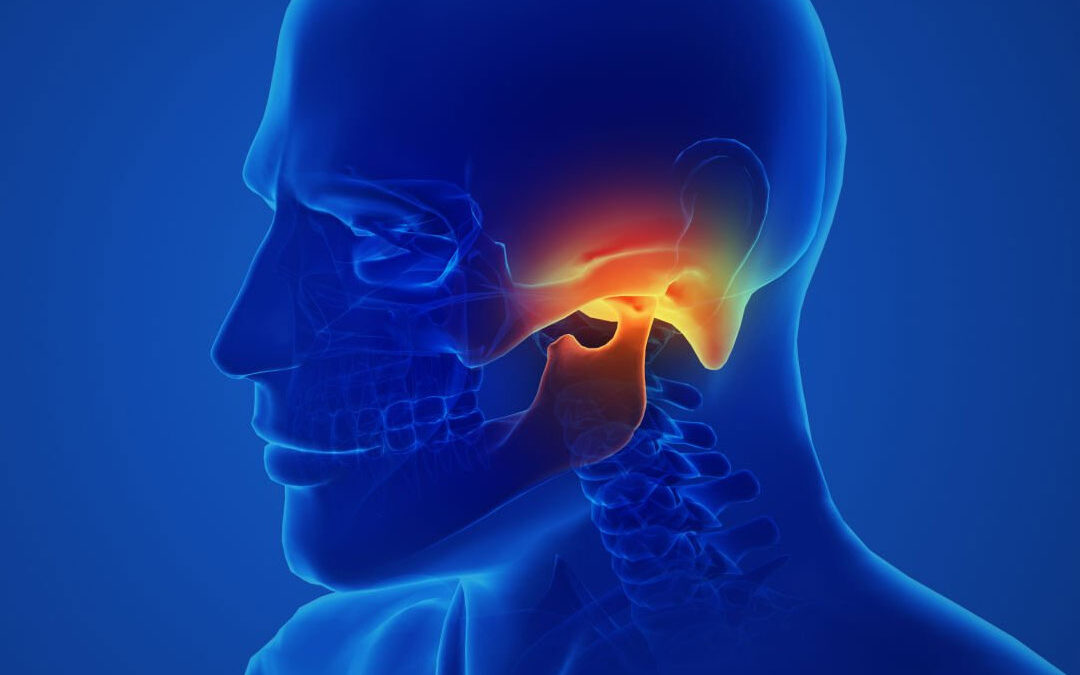
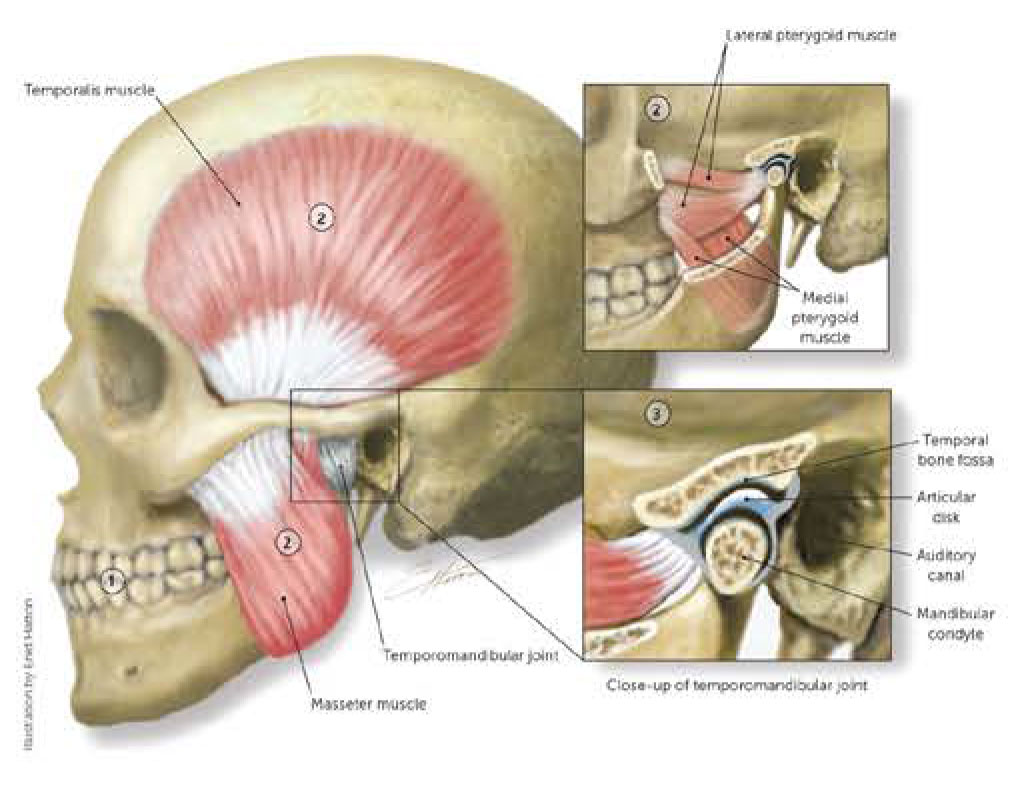
What is it? Also known as TMD, it is a musculoskeletal disorder affecting the temporomandibular joint (TMJ), which connects the jawbone to the skull. It involves the masticatory muscles, the joint itself, and associated structures like ligaments, discs, and capsules.
Causes Include:
- Head/neck trauma
- Poor head/neck posture
- Bad habits such as teeth clenching and grinding
- Psychological factors including poor sleep, muscle hyperactivity, and depression
Signs and Symptoms:
- Pain that can be followed by sounds of the jaw
- Tenderness to palpation
- Limited movement or deviation when opening
- Headaches
- Locking, grinding, or clenching
- Tired or tight muscles of the neck, face, ear, or jaw
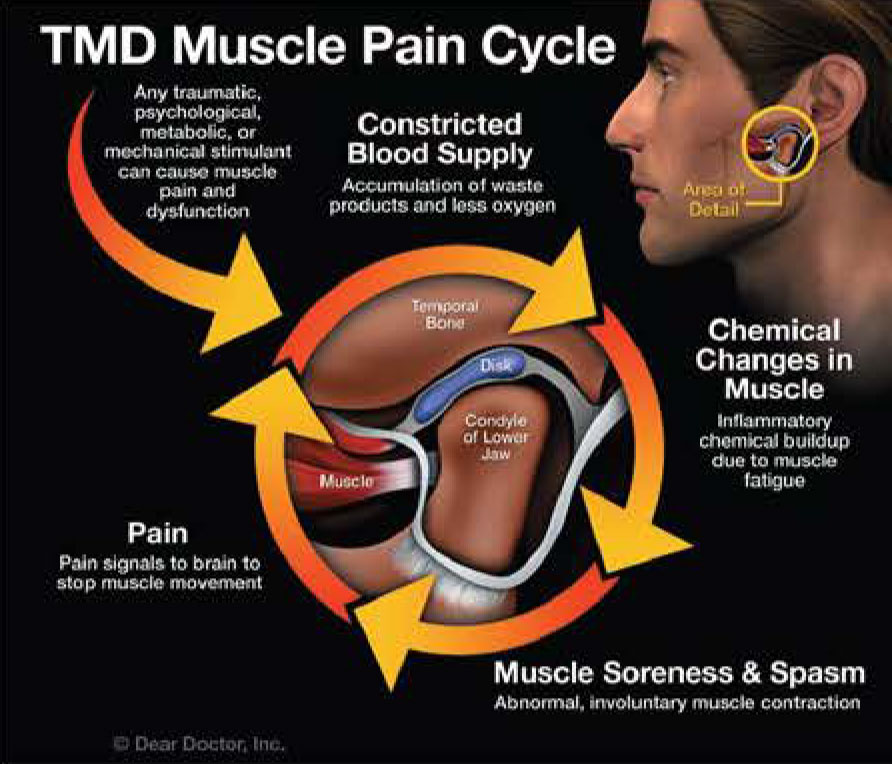
TMD Muscle Pain Cycle
The cycle begins when a traumatic, psychological, metabolic, or mechanical stimulus causes muscle pain and dysfunction. This leads to:
- Constricted Blood Supply: Accumulation of waste products and less oxygen.
- Chemical Changes in Muscle: Inflammatory chemical buildup due to muscle fatigue.
- Muscle Soreness & Spasm: Abnormal, involuntary muscle contraction.
- Pain: Pain signals the brain to stop muscle movement, continuing the cycle.
Treatment Options
An interdisciplinary approach between dentists and physical therapists has been shown to be more effective for the treatment of TMD than dentistry alone.
Physical Therapy Interventions:
- Manual Therapy: Includes joint mobilizations of the cervical and temporomandibular joint, and extra-oral/intra-oral massage.
- Dry Needling: Targets musculature (lateral pterygoids, masseters, and temporalis) to reduce pain and inflammation.
- Exercises: Jaw exercises to relax muscles and lubricate the joint; strengthening of deep neck flexors and scapular muscles.
- Re-education: Training masticatory muscles for coordination and proprioception.
- Postural Education: Learning proper positioning for rest and relaxation.